
 Safety, Design, and Modern Use
Modern buildings are becoming taller, smarter, and more safety-focused than ever before. One crucial yet often overlooked component of building safety is the shaft door. These doors play a vital role in protecting elevator shafts, service shafts, and utility passages from fire spread, smoke penetration, and unauthorized access.
As building regulations tighten and users demand higher safety standards, advanced shaft doors have evolved far beyond basic metal panels. Today, they integrate fire resistance, intelligent locking systems, airtight sealing, and durable materials that significantly improve fire safety and user protection.
In this detailed guide, we will explore how advanced shaft doors enhance fire safety, protect users, and support modern building compliance, while answering common questions people search for on Google.
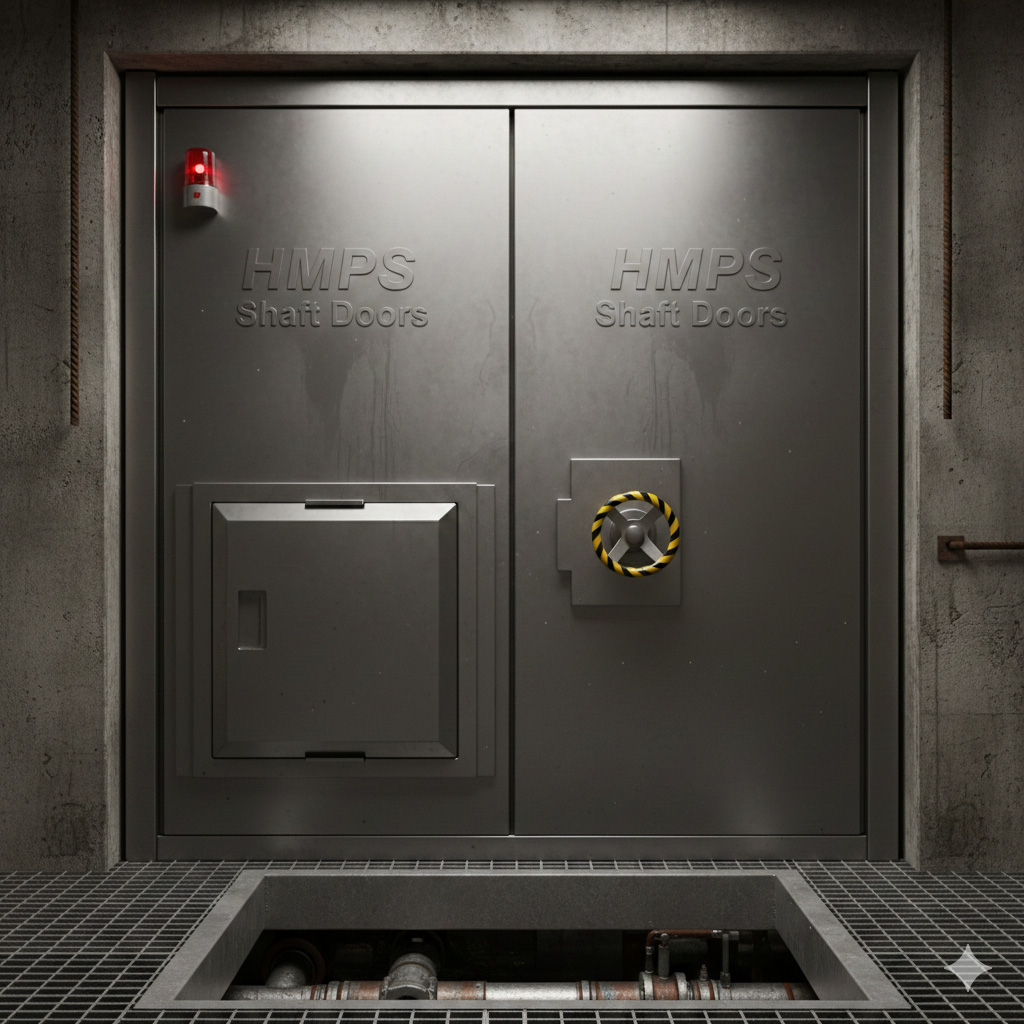
Doorwin Engineering’s Doors are specially engineered doors installed at openings of vertical or horizontal shafts. These shafts typically house elevators, electrical wiring, plumbing, ventilation, or maintenance systems.
Unlike standard doors, shaft doors are designed to:
Prevent fire and smoke spread
Restrict unauthorized access
Maintain structural integrity during emergencies
Protect users from accidental falls or exposure
Because shafts connect multiple floors, they can become dangerous fire channels if not properly sealed. This is where advanced shaft doors become essential.
Fire spreads rapidly through vertical openings. Elevator and service shafts act like chimneys, allowing flames and toxic smoke to travel between floors within minutes.
Fire can bypass fire-rated walls
Smoke can spread faster than an evacuation
Structural damage increases
Lives are put at serious risk
Advanced shaft doors are designed specifically to interrupt this fire path and slow the spread long enough for evacuation and emergency response.
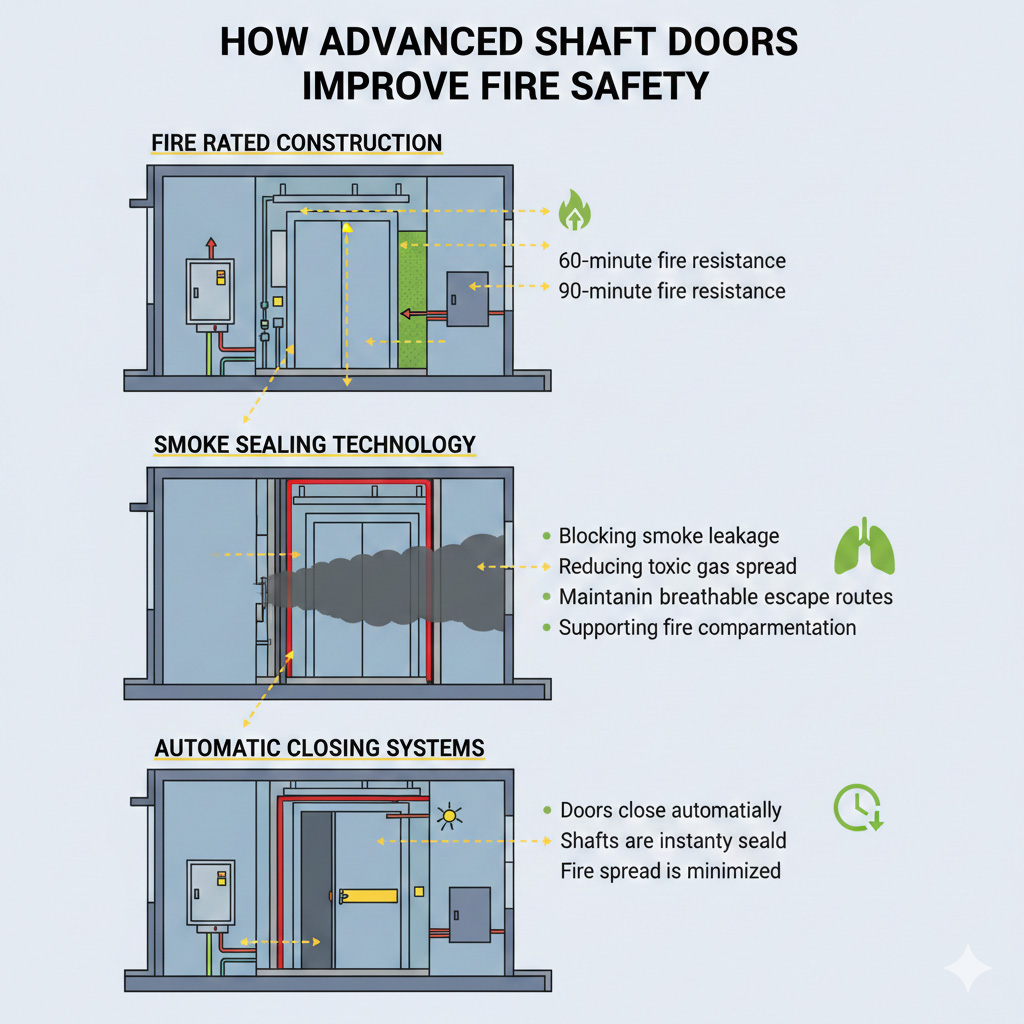
Advanced Shaft Doors are manufactured using fire-resistant materials such as galvanized steel, mineral core panels, and fire-rated insulation. These doors are tested and certified to withstand fire exposure for specific durations.
Most high-quality shaft doors offer:
60-minute fire resistance
90-minute fire resistance
120-minute fire resistance
This rating ensures that flames and heat do not pass through the shaft opening during critical evacuation periods.
Smoke inhalation is responsible for most fire-related fatalities. Advanced shaft doors include intumescent seals and smoke gaskets that expand when exposed to heat.
Benefits include:
Blocking smoke leakage
Reducing toxic gas spread
Maintaining breathable escape routes
Supporting fire compartmentation
This feature significantly improves survivability during emergencies.
Modern shaft doors often include self-closing or automatic closing mechanisms. During a fire:
Doors close automatically
Shafts are instantly sealed
Fire spread is minimized
These systems work even during power failures, ensuring constant protection.
Open shaft access is one of the most dangerous hazards in buildings. The advanced shaft door is designed to:
Stay locked when not in use
Open only with authorized access
Prevent accidental entry
This is especially critical in commercial buildings, hospitals, and residential towers.
Advanced shaft doors use multi-point locking systems and interlocks that prevent doors from opening unless conditions are safe.
This protects:
Maintenance staff
Building occupants
Emergency responders
Unauthorized access is drastically reduced, improving overall building safety.
Modern shaft doors are engineered for smooth opening and closing. This reduces:
Hand injuries
Door jamming
Sudden mechanical failure
User-friendly operation ensures safety without compromising accessibility.
Advanced shaft doors help buildings comply with:
Local fire safety codes
International building standards
Insurance safety requirements
Using a certified shaft door reduces liability risks and inspection failures.
Many advanced shaft doors now support:
Sustainable materials
Energy-efficient sealing
Integration with smart fire systems
They contribute to greener buildings while enhancing safety.
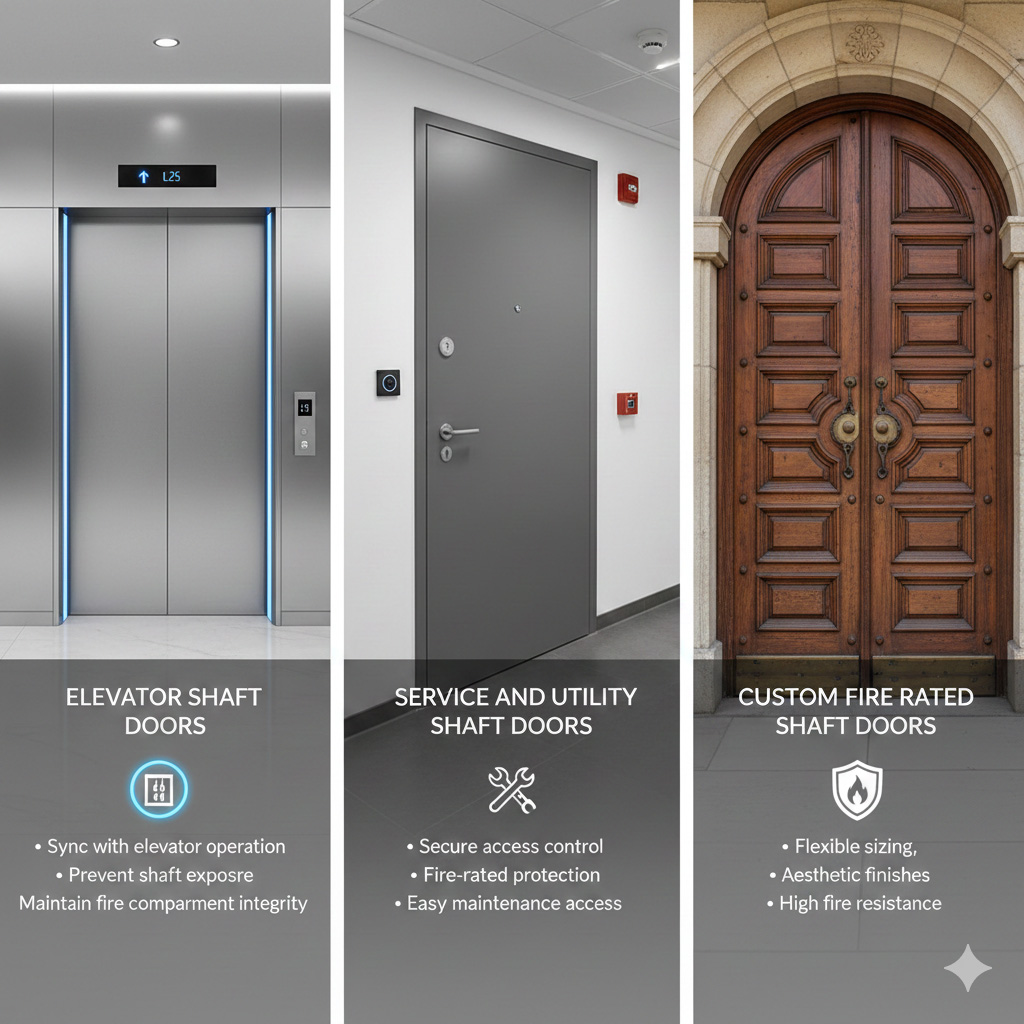
Designed specifically for elevator systems, these doors:
Sync with elevator operation
Prevent shaft exposure
Maintain fire compartment integrity
Used for plumbing, electrical, and ventilation access, these doors provide:
Secure access control
Fire-rated protection
Easy maintenance access
Custom-designed shaft doors meet unique architectural and safety requirements, offering:
Flexible sizing
Aesthetic finishes
High fire resistance
Advanced shaft doors offer:
Higher safety margins
Long-term durability
Reduced maintenance costs
Improved building reputation
For architects and developers, they are no longer optional but a critical safety investment.
Yes, most building codes require fire-rated shaft doors in multi-story structures.
With proper installation and maintenance, advanced shaft doors last decades.
Yes, modern manufacturers offer customization in size, finish, and fire rating.
Yes, advanced sealing also helps reduce sound transmission.
Final Thoughts:Advanced shaft doors are a vital component of modern building safety. By combining fire resistance, smoke control, intelligent locking, and durable construction, they protect both human lives and structural integrity.
Choosing the right shaft doors is not just about compliance — it’s about responsibility, safety, and future-proof construction.
If you are planning a new building or upgrading an existing one, investing in advanced shaft doors is one of the smartest safety decisions you can make.
WhatsApp us
 Shaft Doors
Comments are closed